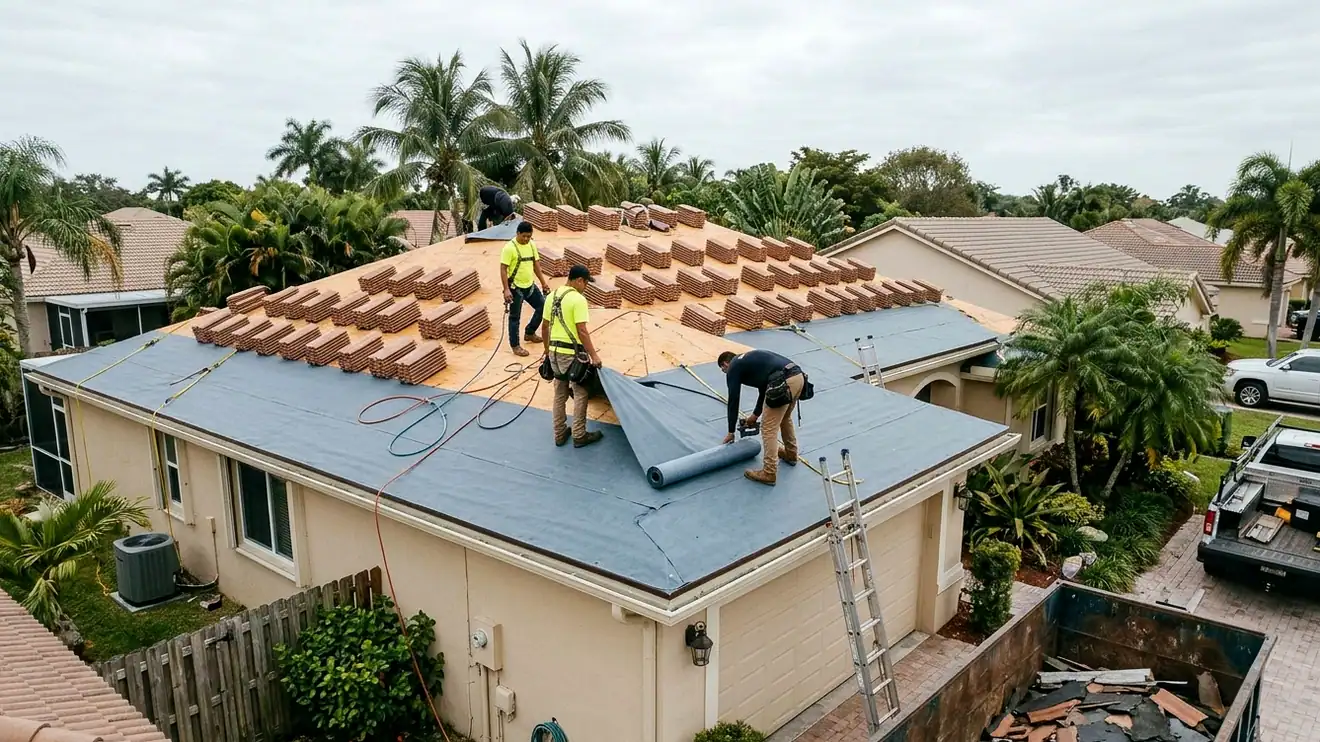
Step one: inspection and a written scope
Every replacement should start with someone on your roof and in your attic. The inspection confirms the roof type and size, the condition of the deck and flashings, ventilation and any structural concerns. From that, you should get a written scope listing materials, approval numbers, underlayment, deck work and how the old roof will be removed.
Typical reroofs in our area run about $14,600 to $27,900 for shingles, $28,400 to $56,700 for concrete tile and $34,800 to $68,300 for standing seam metal. The final price is set after an on-roof look. Ask what is included in each range, since deck repairs and upgrades can move the number.
Step two: HOA approval and the permit
Many Pembroke Pines communities need HOA approval for material and color before work starts, and that review can take a few weeks. Meanwhile, your roofer prepares the permit application for the city building department, including the product approvals for every component and the wind design for your roof.
Florida also requires a recorded notice of commencement for many larger improvement projects, which you usually sign and record before work begins. Permit review time varies with the season and workload. Your roofer should tell you the expected timeline and update you if it changes.
Step three: tear off and deck work
On the first work day, the crew protects landscaping, pools and walls, then removes the old roofing down to the deck. Every sheet of plywood is checked. Damaged or rotted sections are replaced, and the deck is re-nailed to current code, which matters a lot for hurricane resistance.
This is the stage where hidden problems show up, such as rotted fascia or water damaged trusses. A good scope explains in advance how those findings will be priced so there are no surprises. Ask for a per sheet price for plywood replacement in the contract.
Step four: inspections along the way
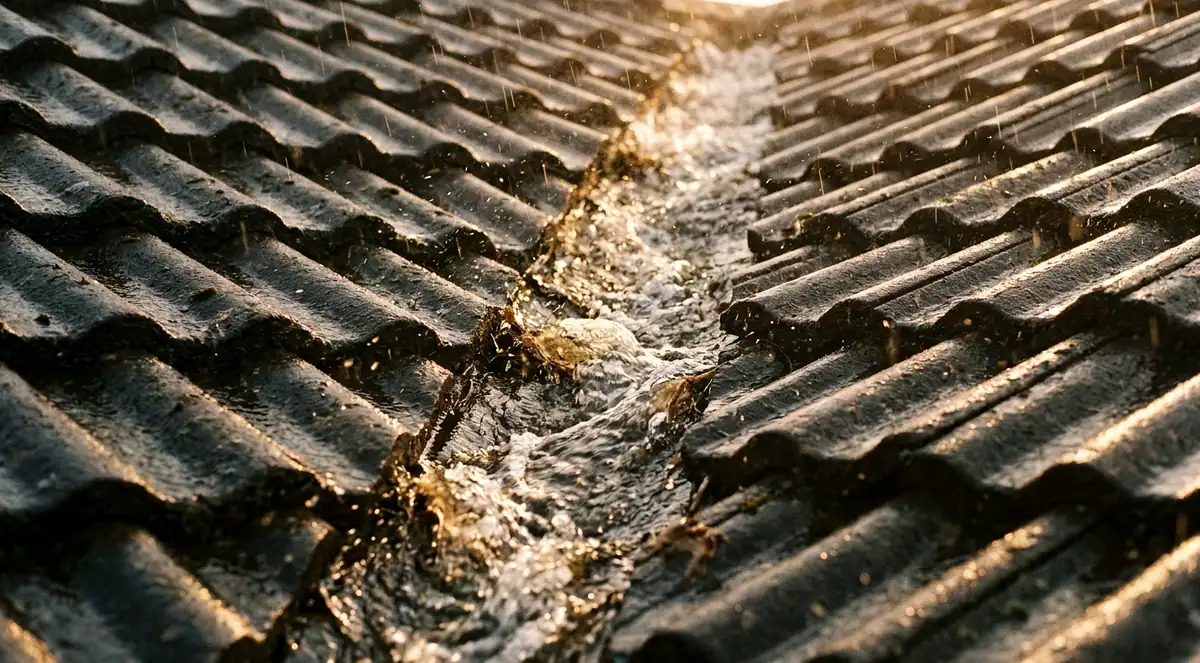
HVHZ reroofs typically need several inspections from the building department before the job is finished. The crew cannot move to the next stage until each one passes, which keeps work honest and is one reason a permitted reroof is worth having. It also documents the work for your records.
Inspection names and order vary a little between cities, so ask your roofer or the building department which ones apply. You can usually track inspection results online through the permit record. If an inspection fails, the crew corrects the issue and schedules a reinspection before moving on.
- Deck nailing inspection after re-nailing
- Dry-in or underlayment inspection
- In progress inspection for tile or panel installation
- Final inspection once the roof is complete
How long it takes
Once the permit is issued, a shingle replacement on a typical home usually takes a few working days. Tile and metal often take one to three weeks of work, mostly because of the extra steps and the time between inspections. Afternoon summer storms can pause work, and the roof is dried in each day so rain does not reach the house.
From first inspection to final sign off, most homeowners should plan on several weeks, with HOA review and permit timing as the biggest variables. Booking early in the year, before storm season demand builds, can shorten the wait for a start date and give you more choice in scheduling.
Living with the project and wrapping it up
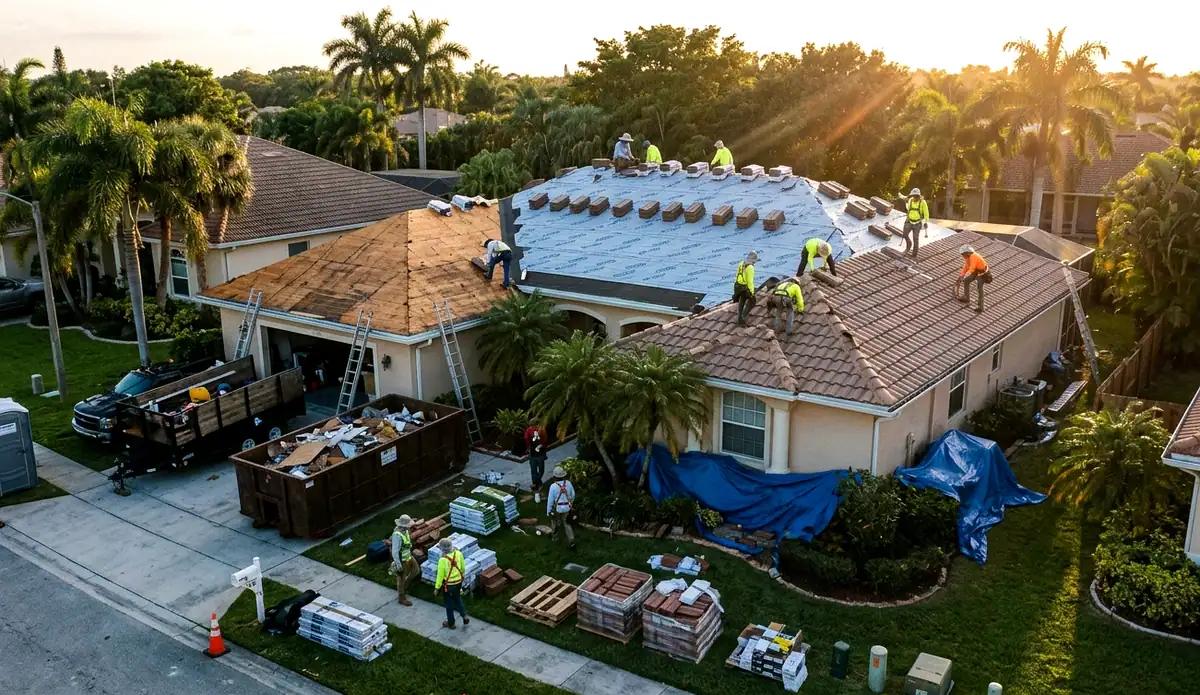
Expect noise, a dumpster or trailer in the driveway and crews starting early to beat the heat. Keep pets inside, move cars out of the drop zone and take wall hangings down in rooms with vibration. At the end, the site should be cleaned and swept with magnets for nails.
After the final inspection, keep the permit, contract and product records together, and schedule a wind mitigation inspection to document the new roof for your insurer. Aurora Shield handles reroofs across Pembroke Pines and nearby areas. Call (754) 226-1055, answered 24/7, to start with an inspection.
A Pembroke Pines reroof moves through inspection, written scope, HOA approval, permit, tear off and deck re-nailing, several building department inspections and a final sign off. Plan on several weeks overall. Keep every document afterward and get a wind mitigation inspection on the finished roof.
Questions readers ask
Usually not for the whole job, but you should be reachable. The crew may need access to the attic or the electrical panel, and inspectors sometimes ask questions on site. Keep side gates unlocked during work hours, keep pets secured inside and plan to be there for the final walkthrough.
Crews remove only what they can dry in the same day, so the deck is covered with underlayment before rain arrives. In summer, that often means early starts and watching the radar for afternoon storms. If a sudden storm hits mid tear off, the crew tarps exposed areas right away.
Storm & Roof Guides Editor at Aurora Shield Roofing Contractors. Writes the storm and roof guides from the questions homeowners ask on the phone line, and has the field crews check each one.