What a secondary water barrier is
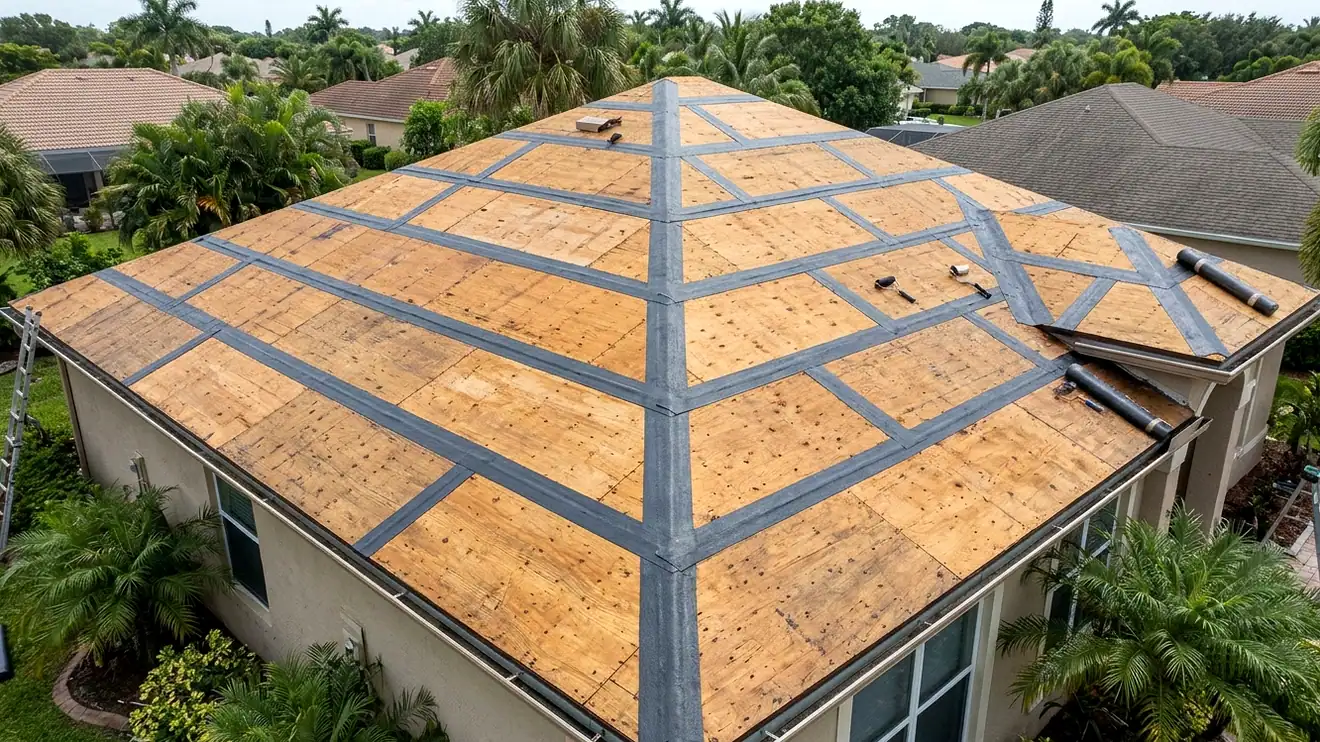
Your roof deck is made of plywood or OSB sheets with joints between them. A secondary water barrier seals those joints, or the entire deck, so that water cannot pour through if the roof covering and its underlayment are torn away. It is a backup layer that only matters on the worst day, but on that day it matters a great deal.
Common methods include strips of self-adhered tape over every deck seam with underlayment on top, or a full self-adhered membrane over the whole deck. Approved systems vary by roof type and must match the product approvals for your HVHZ installation. Your roofer should name the exact method in writing.
Why it matters in South Florida
Hurricanes do not have to destroy a roof to ruin a home. When high winds peel off tiles, shingles or a strip of underlayment, rain driven sideways can flood through open deck joints for hours. Ceilings collapse, insulation soaks through and drywall, flooring and contents are lost, sometimes from a fairly small area of missing covering.
Post storm studies in Florida have repeatedly found that water entry, more than structural failure, causes much of the damage to homes. A sealed deck keeps the inside of the house far drier while you wait for repairs. Drying out a home after a long period of water entry also takes time and adds cost.
How it connects to wind mitigation
Secondary water resistance is one of the features listed on the Florida wind mitigation inspection form, alongside roof covering, roof deck attachment, roof-to-wall connection and opening protection. Insurers use that form to decide which discounts or credits may apply to a policy. Each feature is documented separately by the inspector.
How much credit a sealed deck earns depends on your insurer and policy, and a contractor cannot promise a particular discount. Ask your agent before the reroof which features they credit, then schedule a wind mitigation inspection after the final permit inspection so the new roof is documented.
What code requires and what goes beyond it
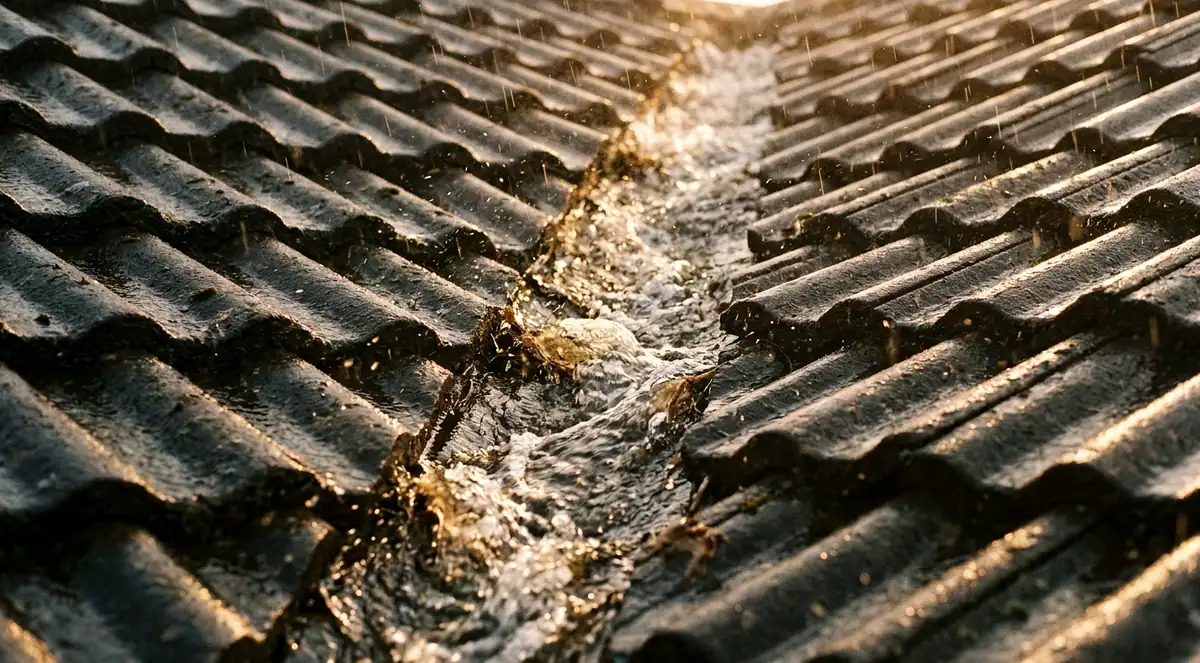
Current Florida code requires some form of deck sealing on many reroofs, and the details depend on the roof system and whether the home is in the HVHZ. Broward and Miami-Dade are both in the HVHZ, so the permit and product approvals set specific methods.
Within those rules there is still a range. Ask what your permit requires and whether the proposed method meets the minimum or goes further. The difference in cost between methods is often small next to the full project, and the stronger options give more protection when the outer layers are damaged.
- Taped seams with standard underlayment over them
- Full self-adhered membrane over the entire deck
- Upgraded underlayment rated for longer UV exposure
- Extra attention at valleys, eaves and roof-to-wall joints
When adding it is worth the money
The best time to add a secondary water barrier is during a full reroof, when the deck is bare and the crew can re-nail it and inspect every sheet. Adding it later means removing the whole covering. For most South Florida homes, the added cost is modest compared with the total project and with the damage it can prevent.
Typical upgrades from a minimum method to a full peel and stick deck run about $1,240 to $3,870 on a single family home. The final price is set after an on-roof look at the deck size and condition. Ask for the upgrade as a separate line item so you can see its exact cost.
Asking the right questions on a proposal
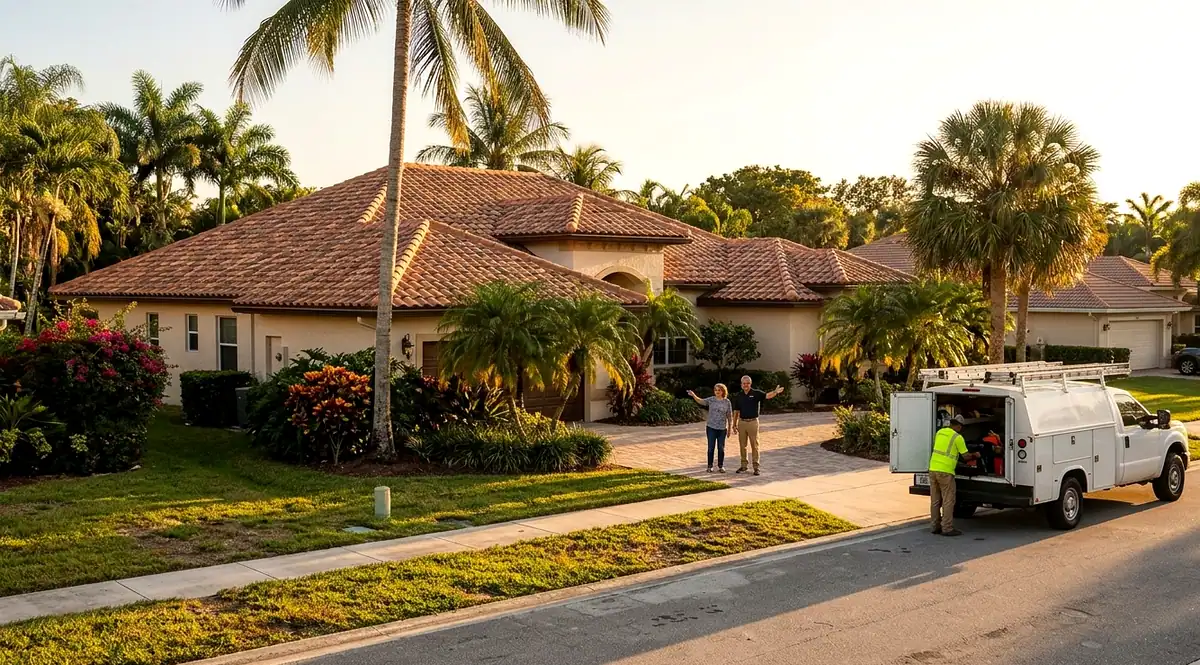
A proposal should name the barrier method and the exact products, along with deck re-nailing and how flashings tie into the membrane. If a bid simply says underlayment, ask for details. Aurora Shield writes out the barrier method on every reroof scope so you can compare it with other bids line by line.
Call (754) 226-1055 any time, 24/7, to have your roof inspected and the options priced. Confirm permit requirements with your building department and wind mitigation credits with your insurer. Bring the written scope to your agent as well, since it shows exactly what will be installed on the deck.
A secondary water barrier seals the roof deck so rain stays out even when wind strips the covering. It is one of the wind mitigation features insurers review. The cheapest time to add or upgrade it is during a full reroof, when the deck is exposed and can be re-nailed.
Questions readers ask
Not in a practical way. The barrier goes directly on the roof deck, so the covering and underlayment must come off first. That is why the decision belongs with a full reroof or underlayment replacement. For roofs with years of life left, other upgrades like resealing flashing may make more sense until then.
Not when the attic is ventilated properly. Self-adhered membranes keep outside water out, and normal attic air movement through soffit, ridge or other approved vents handles moisture from inside. A roofer should check ventilation during the reroof and correct blocked soffits or undersized vents at the same time.
Storm & Roof Guides Editor at Aurora Shield Roofing Contractors. Writes the storm and roof guides from the questions homeowners ask on the phone line, and has the field crews check each one.