Hurricane hardening
Roof and attic ventilation in Pembroke Pines, FL
Your attic climbs past 140 degrees on summer afternoons, the air conditioner runs nonstop, and moisture is starting to stain the underside of the roof deck.
- Open 24/7
- Based on Hiatus Road
- HVHZ-rated materials
- Real person on the line
- Visit booked on the same call
- Photos of what we find
Quick answer
Roof ventilation balances intake vents at the soffits with exhaust vents near the ridge so hot, humid air leaves the attic. You need it when the attic overheats, sheathing shows moisture, or a reroof changes the vent layout. In the HVHZ, every vent must carry wind and water approval. Typical South Florida cost runs $480 to $2,960. Call (754) 226-1055, answered 24/7.
Roof ventilation around Pembroke Pines
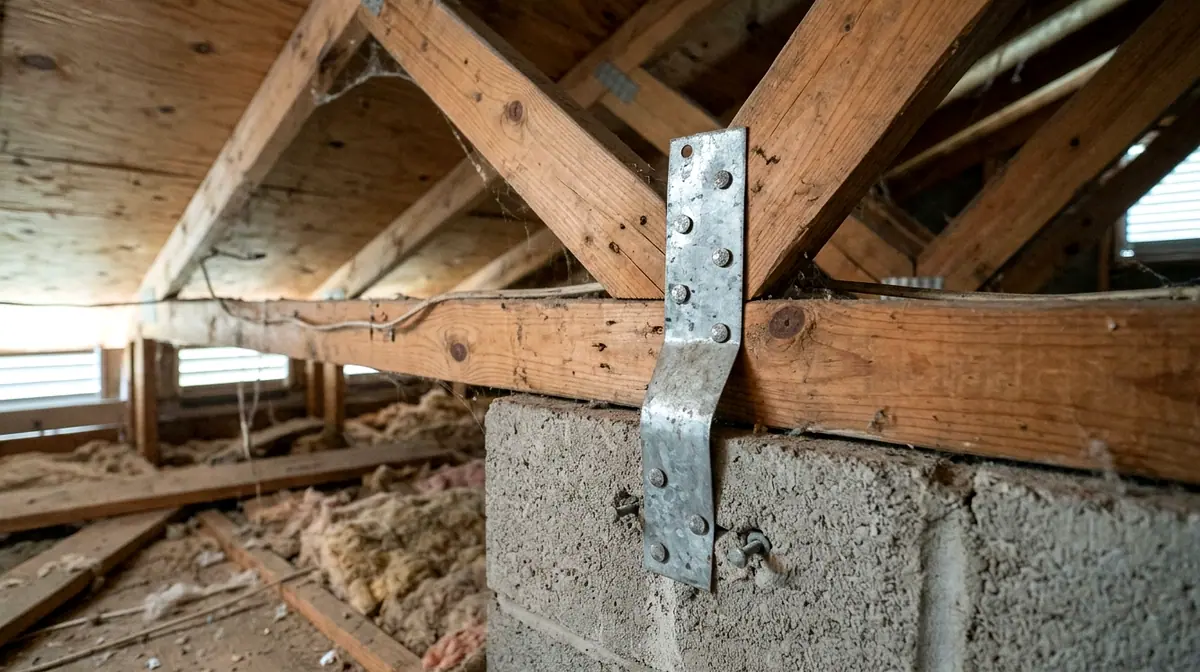
In South Florida the attic works like an oven for half the year. Without enough airflow, heat soaks into the ceiling, the air handler and ducts in the attic work harder, and humidity condenses on cooler surfaces overnight. Over time that moisture can rot sheathing and shorten the life of shingles and underlayment from below.
Many Pembroke Pines homes have a few turbine or slant vents added years ago, with soffit vents painted over or blocked by insulation. In the HVHZ, every roof vent has to be an approved product that resists wind-driven rain, because a poorly sealed vent is a direct opening during a hurricane. A reroof is the natural time to rebalance the whole system.
When to call
Signs it is time for roof ventilation
Hot upstairs ceilings
Ceilings feel warm to the touch in the afternoon and the rooms below never seem to cool down fully.
Air conditioner never rests
Your system runs for long stretches on summer afternoons, partly because ducts in the attic sit in overheated air.
Moisture on attic wood
Sheathing or nail tips in the attic show rust, dark stains or droplets on humid mornings after cooler nights.
Blocked soffit vents
Soffit vents are painted shut, covered by insulation from inside or clogged with dust, so little air enters the attic.
Leaking turbine vents
Older spinning turbines squeak, wobble or let rain blow in during storms, leaving stains around the vent opening.
Competing vent types
The roof has a mix of ridge, turbine and powered vents that fight each other instead of moving air through the attic.
How the job runs
What happens on your roof
- 01
Assess attic airflow
We measure the attic floor area, count existing intake and exhaust openings, and check whether the soffits actually let air in.
- 02
Plan balanced venting
We size intake and exhaust to code ratios so air enters low at the eaves and leaves high near the ridge.
- 03
Remove failing vents
Old turbines, damaged slant vents and leaking caps come out, and openings that are no longer needed are decked over and sealed.
- 04
Install approved vents
New ridge or off-ridge vents with HVHZ approval are installed and flashed into the underlayment and roof covering around them.
- 05
Clear intake paths
Soffit vents are opened and baffles are placed where insulation blocks airflow, so the exhaust vents have fresh air to draw from.
Local factors that change this job
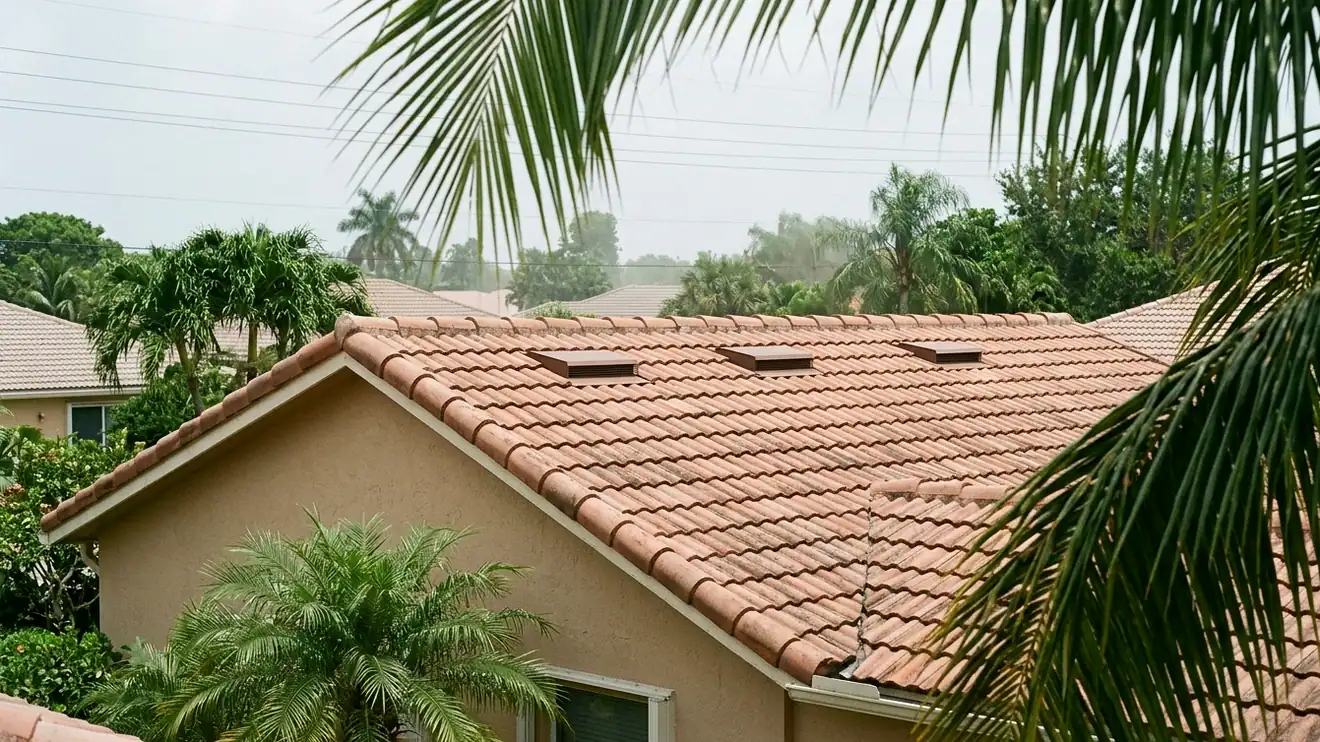
Broward attics face high heat and humidity from late spring into fall, which makes ventilation a moisture issue as much as a cooling one. HVHZ rules require roof vents to have product approval for wind and water resistance, and many older turbine vents would not qualify today. Tile roofs in Pembroke Pines often use low-profile off-ridge vents shaped to the tile, while shingle homes tend to use ridge vent. Salt air closer to the coast also corrodes metal vents faster.
Your options
Choices worth understanding first
Ridge vent with soffit intake
A continuous vent along the ridge paired with open soffits. Common on shingle roofs, and it gives even airflow along the full length of the attic.
Tile-profile off-ridge vents
Low vents shaped to match concrete tile, installed just below the ridge. They keep the tile roof's look while providing approved exhaust openings.
Swap turbines for static vents
Old turbine vents are removed and replaced with approved static vents that have no moving parts to wear out or leak in storms.
Solar attic fans
Solar powered fans move air without wiring. They must be approved for the HVHZ and balanced with intake so they do not pull cooled air from the house.
Typical cost
What roof ventilation costs in Pembroke Pines
| Off-ridge vent, each installed | $165 to $385 |
| Ridge vent, per linear foot | $7.40 to $15.60 |
| Turbine removal and deck patch | $140 to $295 |
| Soffit vent clearing and baffles | $235 to $690 |
The number and type of vents, the roof covering and whether intake soffits need work all affect cost. Adding vents during a reroof costs less than cutting them into a finished roof. Tile-profile vents cost more than shingle ridge vent. The final price is set after an on-roof look and a check of the attic. Compare every service on the roofing price guide. Wondering where your roof sits on insurers’ age lists? Try the roof age check.
Questions
Roof ventilation questions we hear
Yes, in the wrong places. Too much exhaust without intake can pull cooled air from the house through ceiling gaps, and mixing ridge vents with turbines or powered fans can short circuit the airflow. The goal is balance: roughly matched intake low and exhaust high, sized to the attic floor area the code uses.
Turbines can be used only if the specific product has approval for the HVHZ, and many older units do not. They also have moving parts that wear and can leak in wind-driven rain. During a reroof we usually replace them with approved static vents that have fewer ways to fail.
It can help, especially if your air handler and ducts sit in the attic, because they lose less cooling to the air around them. The size of the effect depends on insulation, duct sealing and how poor the original airflow was. Ventilation alone will not make up for thin insulation, so we look at both.
Some newer homes use spray foam under the deck to create an unvented, conditioned attic. That design follows its own code rules and should not be mixed with roof vents. If you are considering it, the insulation contractor and roofer need to plan it together, and existing vents are sealed during the reroof.
Related work
Often booked with this service
Roof Replacement
Your roof is aging out, leaks keep coming back after each repair, or your insurer wants proof of remaining roof life before it will renew the policy.
See this serviceFascia & Soffit Repair
Rotted fascia boards and sagging soffit panels let rain, rats and wasps into the attic, and they weaken the edge where your roof and gutters attach.
See this serviceRoof Inspection
You are not sure what shape your roof is really in after another storm season, and a small stain or loose tile has you wondering what else is hiding.
See this serviceMore hurricane hardening services
Where we do this work most
Leak, storm damage or a roof that is simply getting old?
Call the roof line any hour. A real person answers, asks what you are seeing and sets the next step.