What the HVHZ is
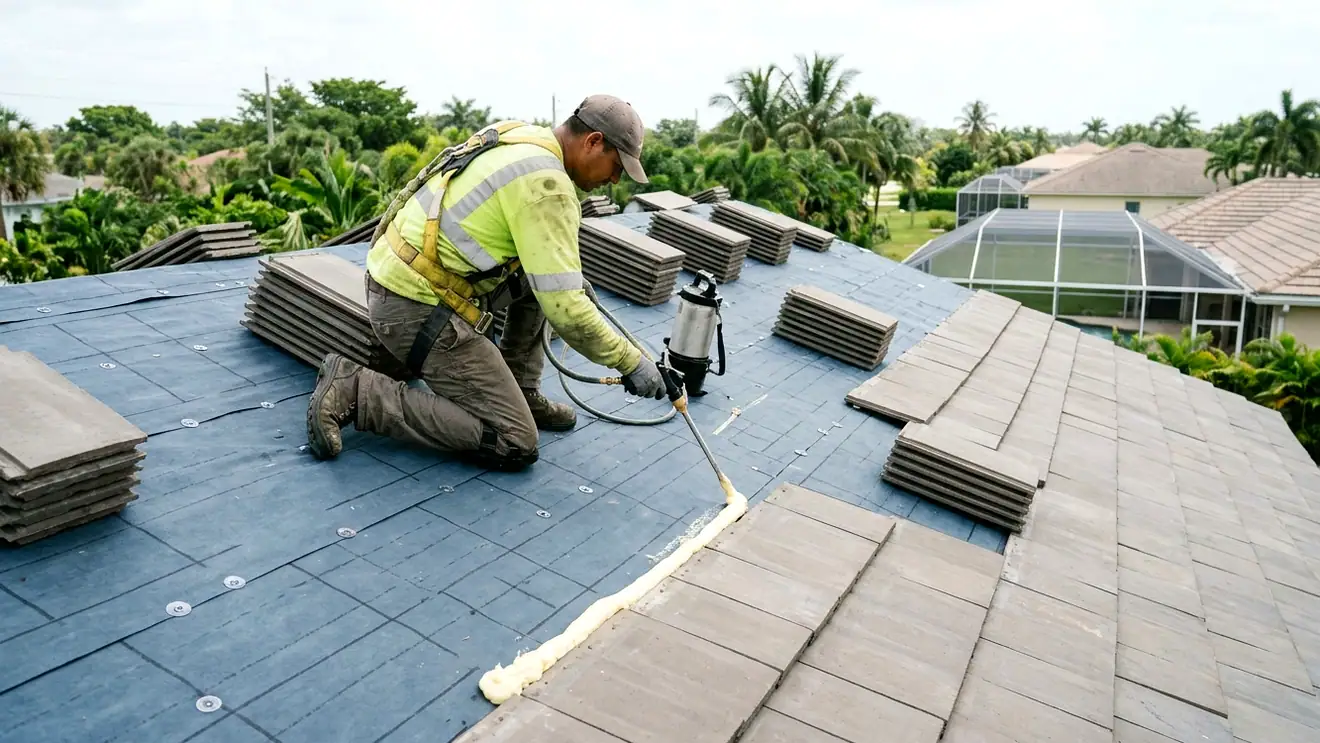
The Florida Building Code sets aside Broward and Miami-Dade counties as the High Velocity Hurricane Zone, or HVHZ. Building rules here are stricter than in the rest of the state, reflecting lessons learned after Hurricane Andrew in 1992. Roofs get special attention because they take the brunt of hurricane winds.
In the HVHZ, roofing materials, fasteners, adhesives and underlayments must be approved for use in this zone. That approval is most often shown by a Miami-Dade Notice of Acceptance, called an NOA, or an equivalent HVHZ approval. Tile adhesives and metal panel clips need approval just like the roof covering does.
What a Notice of Acceptance is
An NOA is a document issued by Miami-Dade County after a product passes testing and review for high wind and wind driven rain. The tests are designed around HVHZ conditions, including impact, uplift and water resistance. Manufacturers pay for the testing and must renew approvals over time.
An NOA does not just say a product is good. It spells out exactly how the product must be installed to perform as tested. A great shingle installed the wrong way is not an approved roof. That is why inspectors compare the job site against the approval documents, not just the product label.
What you will find inside an NOA
NOA documents can run many pages, but the key information is consistent. Your roofer uses these details to design the installation and to calculate whether the system meets the wind pressures for your specific house, which depend on roof height, shape and location. Two similar houses can need different fastening.
You do not need to read every page, but it helps to know what the important parts are. Ask your roofer to point out the sections that apply to your house, and keep a copy of each NOA with your permit and contract so the information is easy to find later.
- Product name and manufacturer
- Approved assemblies, such as which underlayments it can go over
- Fastener type, spacing and adhesive requirements
- Wind pressure limits the system was tested to
- Expiration date of the approval
Why approved products matter for your home
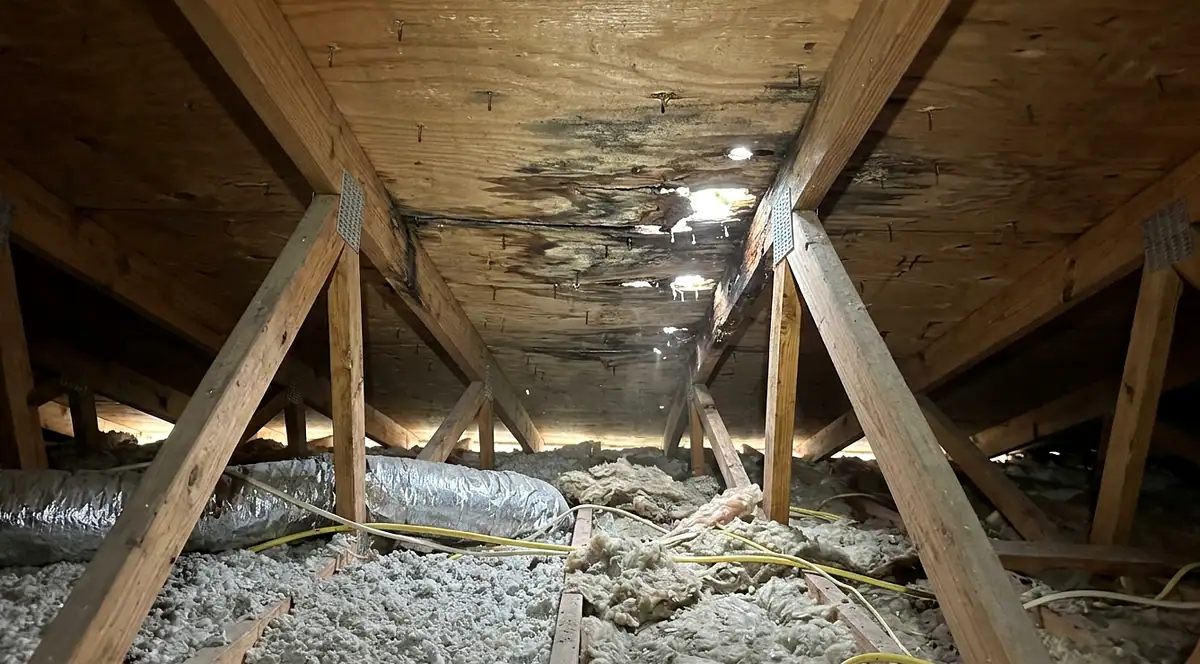
The building department reviews product approvals when it issues a reroof permit, and inspectors check that the installation matches them. A roof built with unapproved products or methods can fail inspection, which means delays, rework and added cost. Ask your roofer how they plan for each inspection stage.
Approved products also matter later. Wind mitigation inspectors note the roof covering and its approval when completing the form insurers review. And in a hurricane, a roof installed to its NOA has the best chance of performing the way the testing showed it can. That is what you are paying for.
How to check the NOA on your proposal
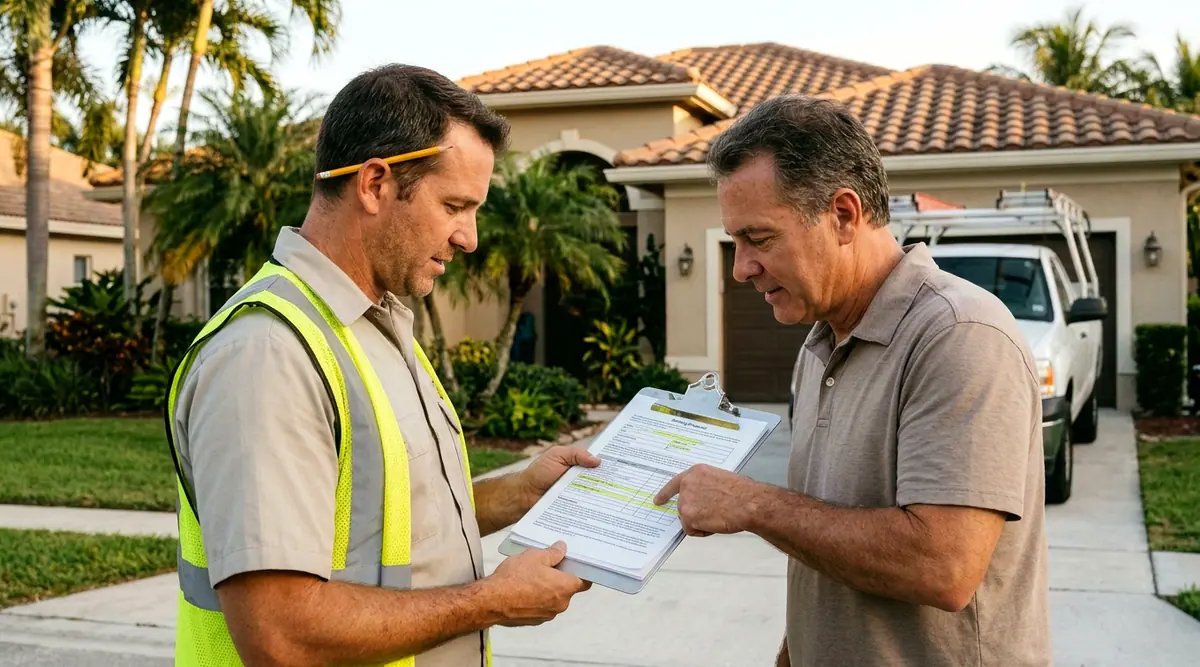
Ask your roofer to list the NOA or approval number for each major component: the roof covering, underlayment and, for tile, the adhesive or fastening system. You can look up NOAs through Miami-Dade County's online product control search and confirm that each one is current and covers the assembly being proposed.
Red flags include proposals with generic product names and no approval numbers, approvals that have expired or products that are only approved outside the HVHZ. Any of these is worth questioning before you sign. A good roofer will be glad to explain any approval number you ask about.
Working with HVHZ approved systems
Aurora Shield lists the approval numbers for every product in each reroof scope across Broward and Miami-Dade, and installs to the requirements in those documents. Typical HVHZ shingle and tile projects range from about $14,600 to $56,700 depending on material and size, with the final price set after an on-roof look.
Call (754) 226-1055 any time, 24/7, with questions about a proposal or to schedule an inspection. Your building department can confirm approval requirements for your permit. Ask for copies of the approvals along with your contract, so they stay on file for future insurance inspections and for buyers if you sell.
Broward and Miami-Dade are in the HVHZ, so roofing products need a Miami-Dade NOA or equivalent HVHZ approval. The NOA defines how a product must be installed and the wind pressures it handles. Ask for approval numbers on your proposal and check them online before signing.
Questions readers ask
Building departments typically look at whether the approval was valid when the permit was issued, but practices vary. If a listed approval is close to its expiration date, ask your roofer about it before the permit is pulled, and check with the building department if you have any doubt about how they handle it.
Not always. Florida Product Approval is a statewide system, and some products approved under it are not approved for HVHZ use. In Broward and Miami-Dade, the product needs an NOA or an approval that specifically covers the HVHZ. Check that the document lists HVHZ use for your project.
Storm & Roof Guides Editor at Aurora Shield Roofing Contractors. Writes the storm and roof guides from the questions homeowners ask on the phone line, and has the field crews check each one.