What the 25 percent rule says
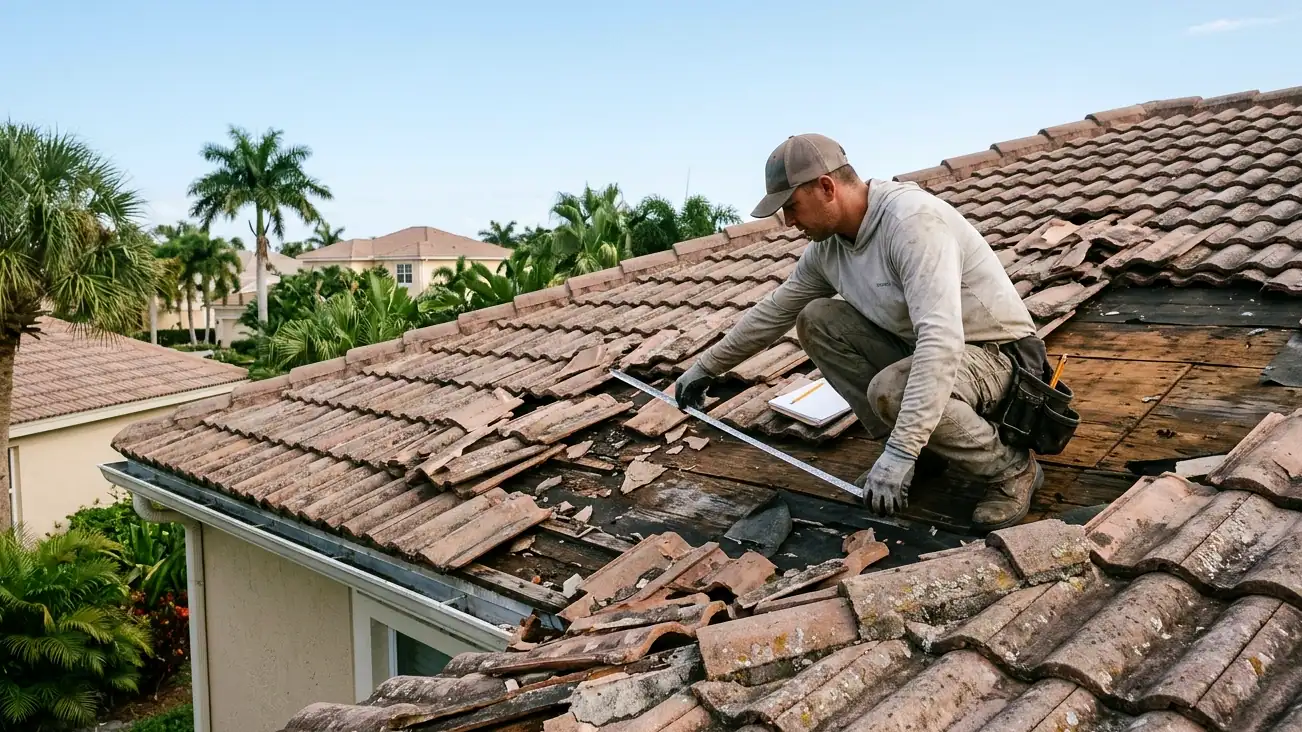
The Florida Building Code has long included a rule for older roofs: if 25 percent or more of a roof section is repaired, replaced or recovered within a 12 month period, the entire section has to be brought up to current code. In practice, that can turn a large storm repair into a full replacement of that section.
The idea behind the rule is reasonable. Patching a big piece of an old roof with new materials next to worn ones can leave weak transitions. Requiring the whole section to meet today's code avoids a patchwork that fails in the next storm. It also keeps older roofs from being patched indefinitely.
What counts as a roof section
The rule applies per roof section, not to the whole roof. A section is generally a portion of the roof separated from other portions by features like ridges, valleys, hips or changes in height. A simple gable roof may have two sections, while a complex hip roof with several wings can have many.
That definition matters. Damage concentrated on one slope can cross the 25 percent line for that section even if it is a small share of the full roof. The building department decides how sections are measured on your permit, so their reading is the one that counts.
The 2022 change for newer roofs
In 2022, Florida law changed how this works for many homes. If the existing roof was built, replaced or recovered under the 2007 Florida Building Code or a later edition, only the damaged portion being repaired has to meet current code. That holds even when the repair covers 25 percent or more of a section.
Roofs installed under earlier codes still fall under the 25 percent rule. So the age of your roof, and the code in effect when it was permitted, can make a large difference in how much work a repair requires after a storm. Your permit history is the key document here.
How to tell which code your roof was built to
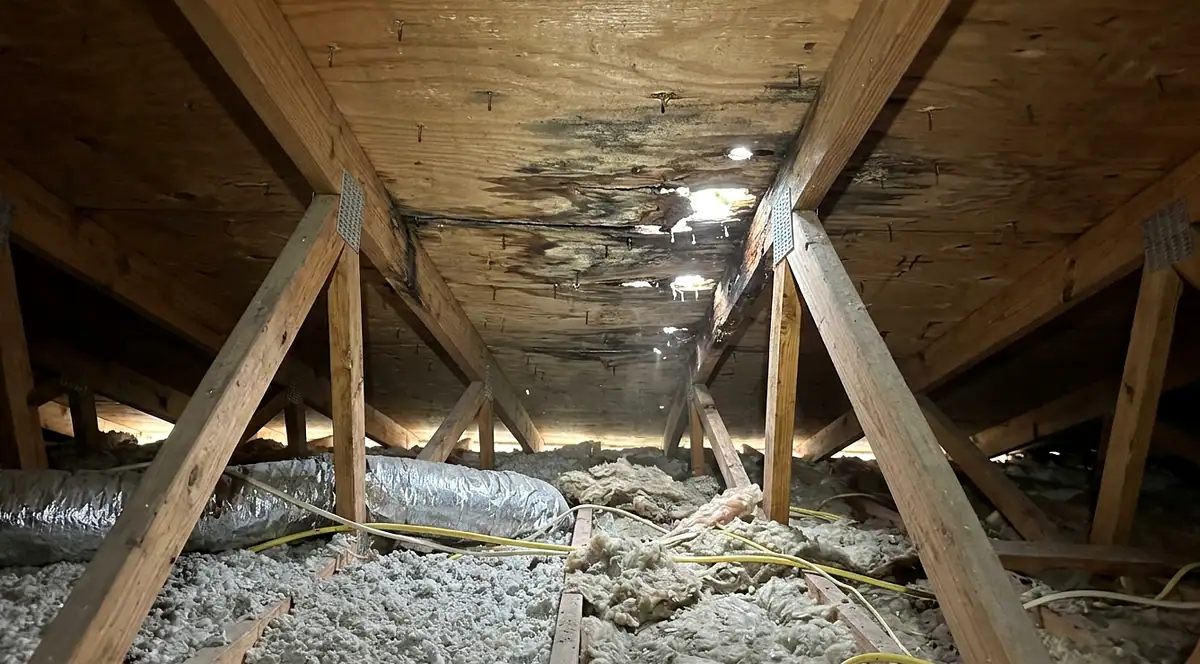
The 2007 edition of the Florida Building Code took effect in 2009, so roofs permitted from that point on generally qualify for the newer treatment. The reliable way to confirm is your permit record, which shows the permit date and often the code edition in force when it was issued.
If you cannot find your records, the building department can look up the permit history by address. Have the address and parcel number ready when you call or search online. Many Broward cities and Miami-Dade County offer permit search tools on their websites, and staff can explain what the record shows if the entries are hard to read.
- Find the reroof permit number and final inspection date
- Ask the building department which code edition applied
- Keep a copy with your insurance and home records
- Note any later permits for partial repairs on the same roof
What this means after a storm
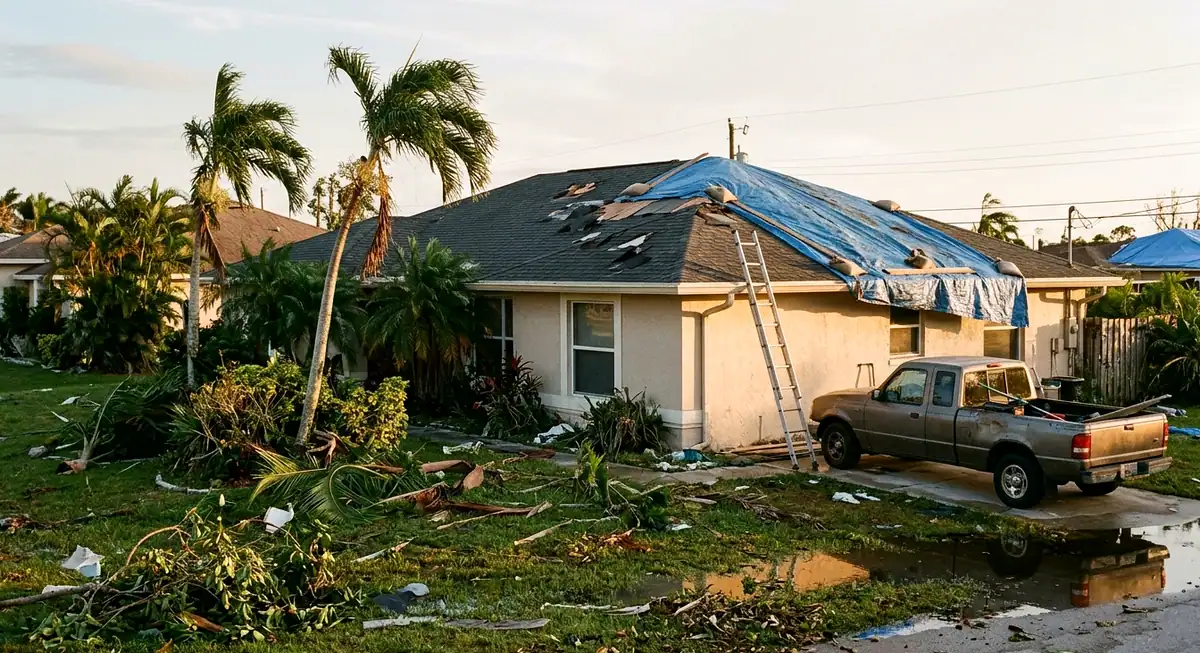
After storm damage, a roofer should measure the damaged area per section and check your permit history before writing a scope. That tells you whether a repair can stay a repair or whether code will push a section toward replacement. Ask for that reasoning in writing, along with photos of the damage.
How your insurance policy treats code upgrades is a separate question. Some policies include coverage for code required work and some limit it, and a contractor cannot interpret your policy or promise what it pays. Share the written scope and photos with your insurer and confirm the details with them.
Getting the scope right the first time
Aurora Shield checks the permit history, measures damage by section and explains which rule applies before recommending a repair or a replacement. Typical storm repairs in our area range widely, from about $465 to $1,840 for small tile or flashing fixes to far more for full sections. The final price is set after an on-roof look.
Call (754) 226-1055, answered 24/7, to schedule an inspection. Confirm code questions with your local building department as well, since they make the final call on every permit. If an older roof falls under the 25 percent rule, the inspection report should explain which sections are affected and why, so you can review the numbers yourself.
Older Florida roofs still follow the 25 percent rule, where repairing a quarter or more of a section within 12 months can require bringing that whole section to code. Under a 2022 change, roofs built to the 2007 code or later only need the repaired portion upgraded. Confirm your permit history with the building department.
Questions readers ask
It applies per roof section, and sections are generally divided by ridges, valleys, hips and height changes. A single damaged slope can cross the line for its section even when the total damage is a small share of the roof. Your building department decides how sections are measured on the permit.
Possibly not. The 2007 code edition took effect in 2009, so a roof permitted in 2008 was likely built under an earlier edition and would still follow the 25 percent rule. Ask your building department which code applied to your specific permit, because the permit date is what settles it.
Storm & Roof Guides Editor at Aurora Shield Roofing Contractors. Writes the storm and roof guides from the questions homeowners ask on the phone line, and has the field crews check each one.