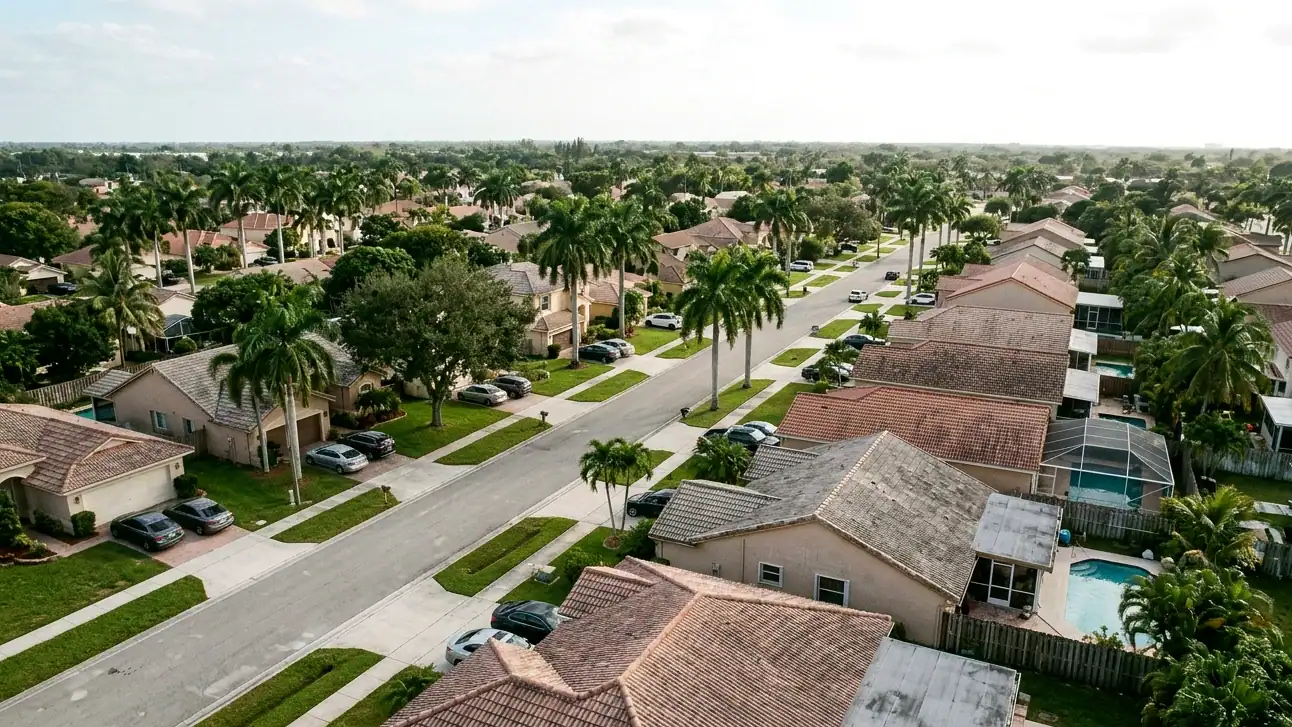
Why insurers care so much about roof age
In South Florida, the roof is the part of your home an insurer worries about most. Wind, heavy rain and long hot summers wear roofing materials faster here than in milder climates. A roof that fails in a storm can turn a small claim into a large one, so carriers ask the roof's age before almost anything else.
Age is a quick stand in for condition, but it is not the whole picture. A well kept 18 year old tile roof can be in better shape than a neglected 9 year old shingle roof. Insurers know this, which is why many ask for inspection forms on older roofs instead of turning them away on age alone.
What Florida law says about younger and older roofs
Florida law now limits how insurers can treat roof age. A carrier cannot refuse to write or renew a homeowner policy only because the roof is less than 15 years old. If your roof is 15 years or older, you can have it inspected, and an inspection showing at least 5 years of remaining useful life gives you protection from a refusal based on age alone.
Those protections are narrow on purpose. They do not set your premium, they do not decide what a policy pays after a loss, and they do not stop an insurer from declining a roof that is in poor condition. Each carrier applies the rules in its own way, so confirm the specifics with your agent or insurer before you make a decision.
How insurers figure out how old your roof is
Most carriers start with the permit record. Broward and Miami-Dade building departments keep permit histories, and the final inspection date on a reroof permit is usually treated as the roof's birthday. If the work was done without a permit, or the record is incomplete, you may be asked for invoices or an inspection to prove the age.
Gather this paperwork before renewal season rather than in the middle of it. A short folder of records answers most underwriting questions quickly and can keep a renewal from stalling while someone waits for documents. If something is missing, request copies from the building department or the original installer now, while there is no deadline attached.
- Finaled reroof permit from your city or county
- Original contract or invoice showing the install date
- Product information for the roof covering and underlayment
- Recent dated photos of each roof slope
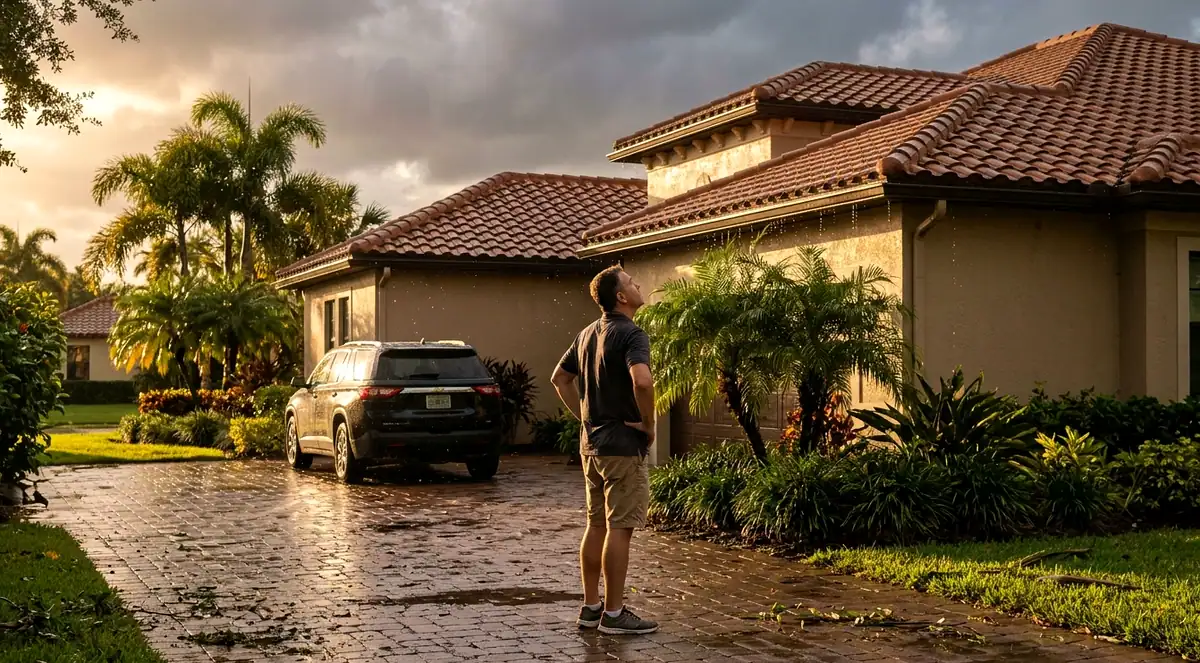
Inspections that often come with older roofs
Homes with older roofs are often asked for a four point inspection, which covers the roof, electrical, plumbing and HVAC systems, along with a roof condition report that estimates remaining life. A wind mitigation inspection is separate and voluntary, but it documents features that can earn premium credits.
Wind mitigation credits look at the roof covering, how the roof deck is attached, how the roof connects to the walls, whether there is a secondary water barrier and how your windows and doors are protected. A roof replacement is one of the few chances to improve several of those features at once, so ask your agent which ones matter on your policy.
Smart moves when your roof is getting older
If your roof is approaching 15 years, start planning before a renewal notice forces the issue. Get an honest inspection first. Sometimes the answer is a targeted repair and a condition report. Other times the underlayment is near the end of its life and a replacement is the smarter way to spend the money.
Be wary of anyone who says insurance will pay for a new roof or that a policy covers a particular repair. Contractors in Florida are not allowed to make those promises or to handle claims for you. What a roofer can do is document the roof's condition with photos and a written scope that you can share with your insurer.
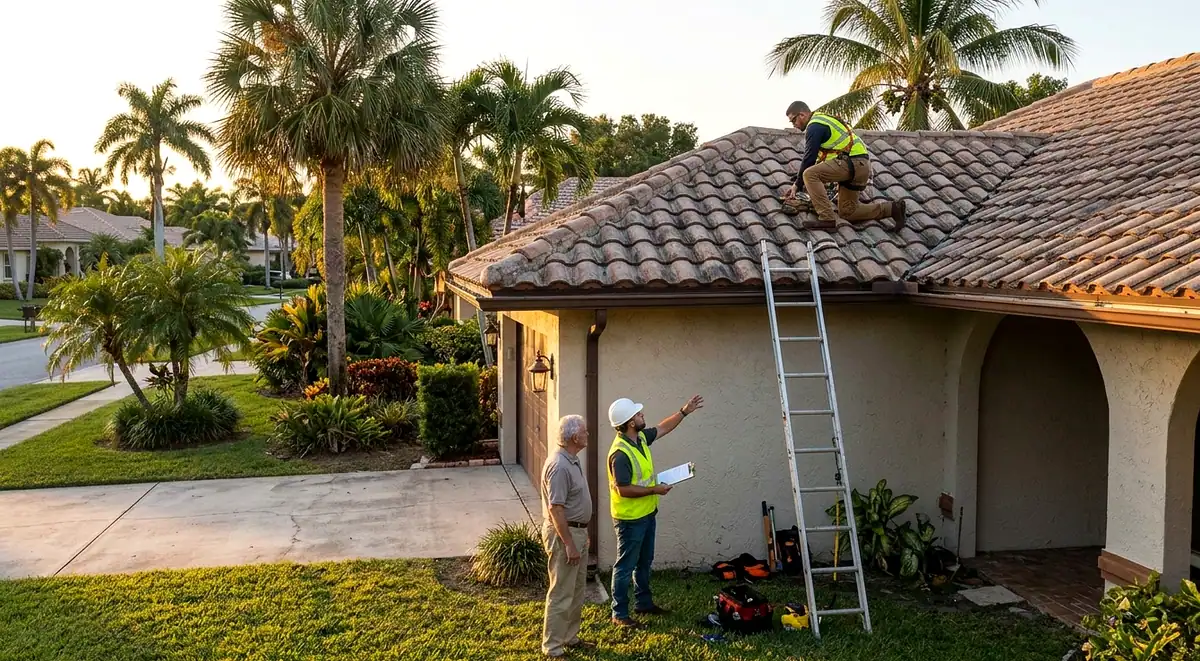
Getting a straight answer about your roof
Aurora Shield inspects roofs across Pembroke Pines, Broward, Miami-Dade and southern Palm Beach and gives you a plain account of what it found: roof type, visible condition, problem areas and a realistic sense of remaining life. Typical inspection fees in South Florida run about $135 to $290, and any repair or replacement price is set after an on-roof look.
Call (754) 226-1055 any time of day or night to set up an inspection, since the phones are answered 24/7. Bring the findings to your agent or insurer, who is the right person to explain how your specific policy, premium and renewal will treat the roof you have today.
Roof age drives many Florida insurance decisions, but state law limits refusals based on age alone for roofs under 15 years, and older roofs can qualify with an inspection showing five years of life left. Keep permit records handy, get an honest inspection and confirm every policy detail with your insurer.
Questions readers ask
Not automatically. A new roof changes the age your insurer sees and may improve wind mitigation features, but premium decisions belong to the carrier. Ask your agent before the project which features they credit, then have a wind mitigation inspection done after the final permit inspection is approved.
Permit records sometimes list an application date, an open permit or a partial repair instead of the full reroof. Contact your city or county building department to review the history, and keep your contract and invoices. Your insurer may accept supporting documents, so confirm what they need directly with them.
Storm & Roof Guides Editor at Aurora Shield Roofing Contractors. Writes the storm and roof guides from the questions homeowners ask on the phone line, and has the field crews check each one.