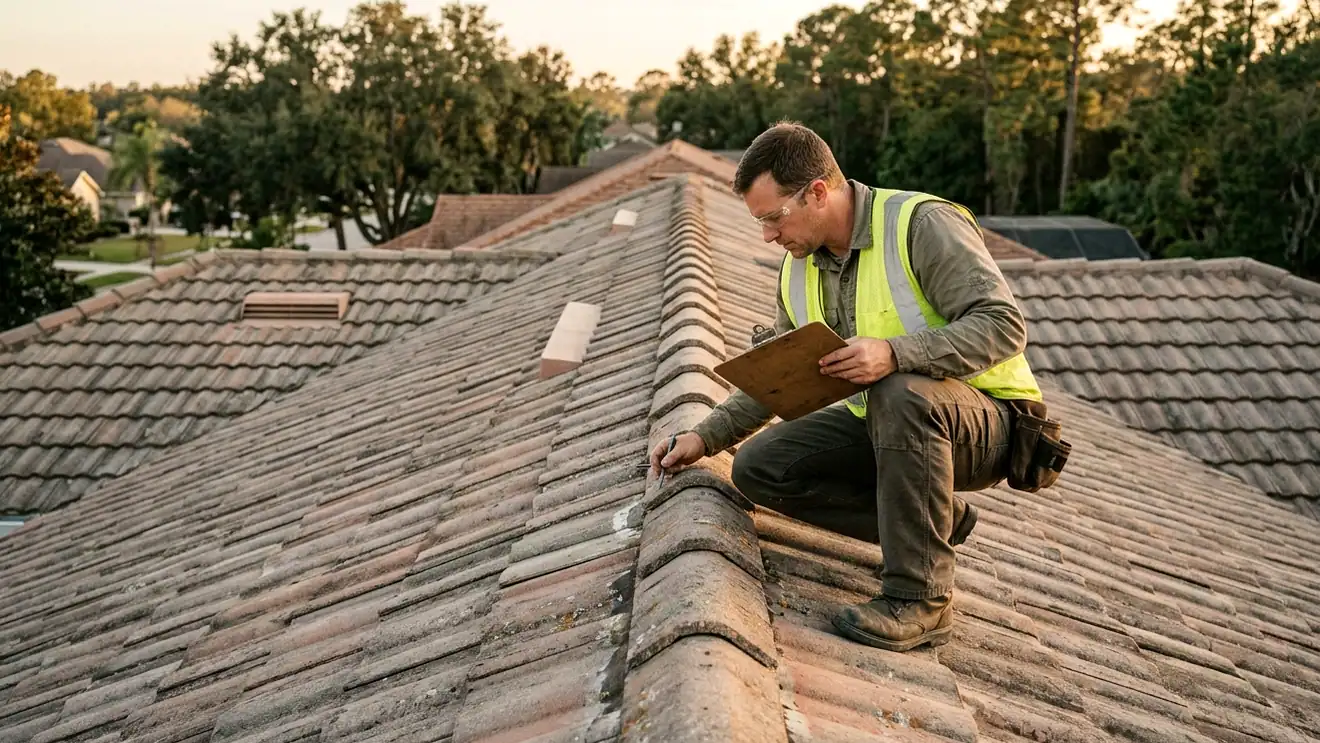
What a roof certification letter is
A roof certification letter, sometimes called a roof condition report, is a written statement about the current condition of your roof and an estimate of how many years of useful life it has left. It is based on an inspection of the roof and attic and is usually backed by photos.
It is not a coverage decision, a claim or a promise about the future. It is a snapshot of the roof on the day it was inspected, which the insurer then uses in its own underwriting. Different insurers may read the same report in different ways.
When insurers usually ask for one
Requests often come when you buy a home with an older roof, switch carriers, or renew a policy on a roof that has reached a certain age. Under Florida law, owners of roofs 15 years or older can have an inspection showing at least five years of remaining useful life, which limits refusals based on age alone.
Each insurer decides which form it accepts, whose signature it will take and how recent the inspection must be. Ask for the exact form and requirements before scheduling, so the report is done once and done right. Some also require specific photos of each slope and the attic.
What the report typically includes
Insurers vary, but most roof condition reports cover the same core details. Clear photos matter as much as the written answers, since underwriters often look at them before anything else. The inspector should describe what they actually saw rather than general statements about roofs of that age.
If your insurer provides its own form, the inspector should complete that form rather than a generic letter. Using the correct form the first time avoids a second visit, a rejected report and a delay in your policy while a new inspection is scheduled and completed.
- Roof covering type and approximate age
- Condition of each slope, with photos
- Signs of leaks or prior repairs
- Estimated remaining useful life
- Inspector name, date and signature
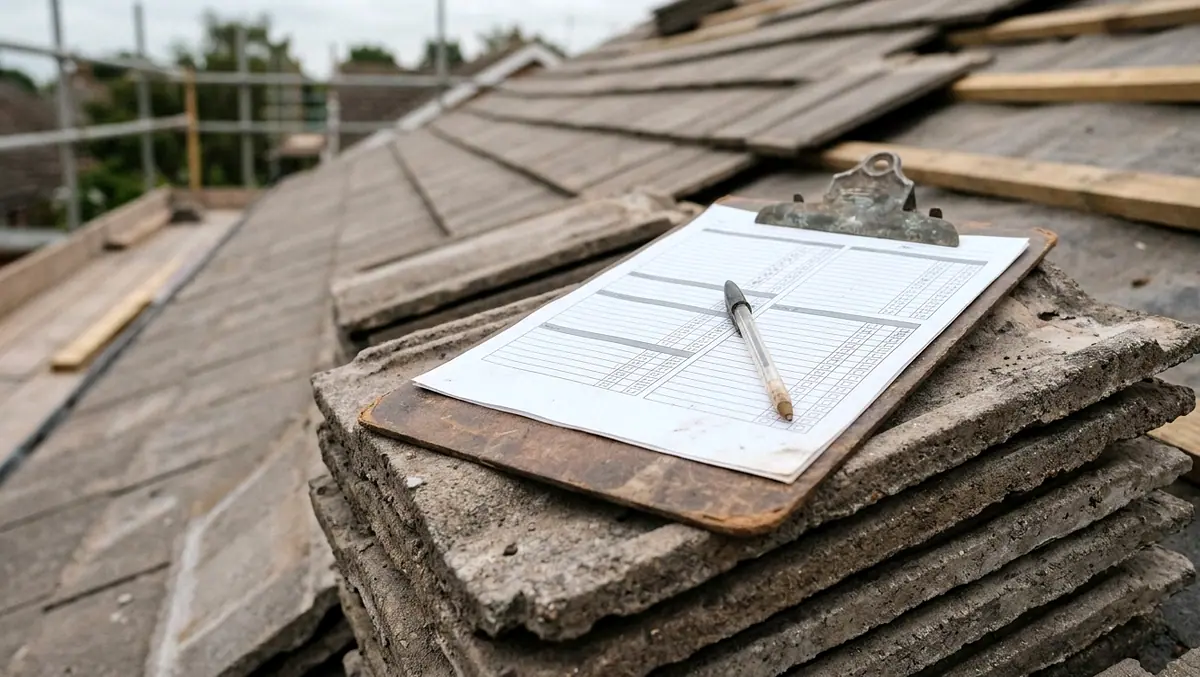
How the inspection works
The inspector starts by checking the permit history to confirm the roof's age, then walks or closely examines each slope. On tile, they look for cracked, slipped and missing pieces and lift a few tiles where needed. On shingles, they check granule loss, lifted tabs and nail pops. Flashings, vents, valleys and roof-to-wall joints get close attention.
Inside, the attic is checked for water stains, deck damage and ventilation. Most residential inspections take one to two hours, and the report usually follows within a day or two. If the inspector finds problems, ask for photos of each one and a plain note on what fixing it would involve.
What can cause a poor result
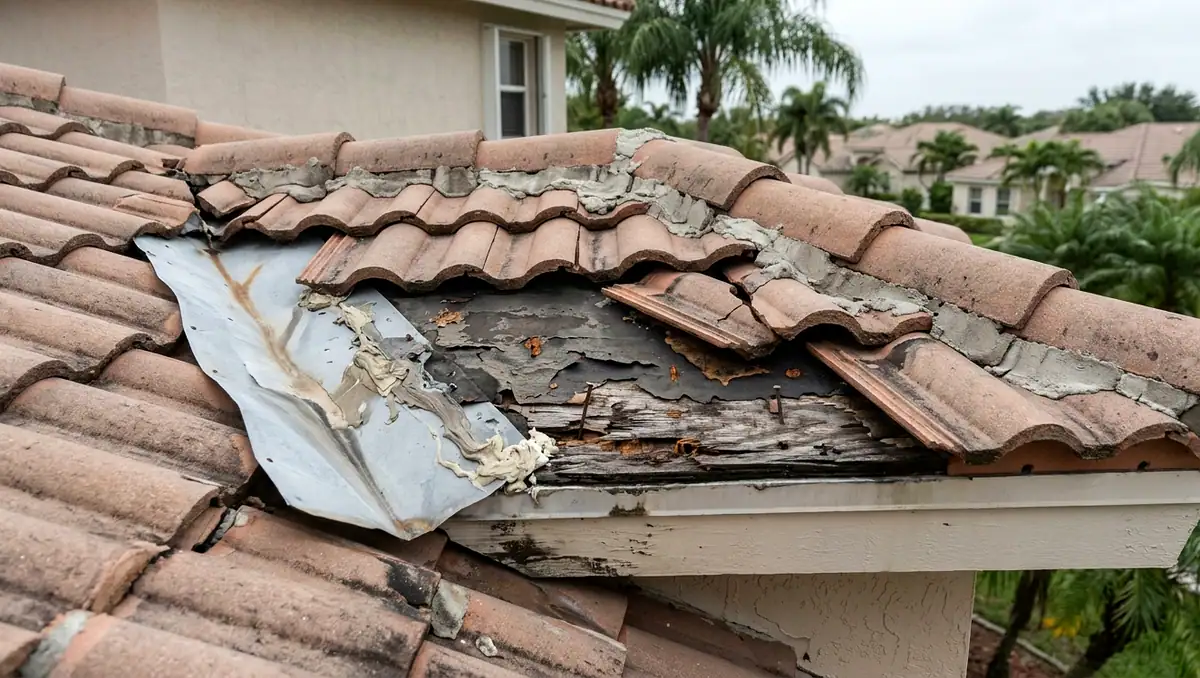
Active leaks, widespread cracked or slipped tile, brittle underlayment, soft decking and failed flashings are the usual reasons a roof comes back with limited remaining life. Unpermitted repairs and patchwork with mismatched materials also raise questions. So can missing or rusted vent caps and loose ridge pieces.
Sometimes a few targeted repairs before the inspection change the picture. Other times the honest answer is that the roof is near the end of its life. A good inspector tells you which situation you are in and does not write the report to suit a hoped for outcome.
Getting the inspection done
Typical roof condition inspections in South Florida run about $135 to $290, while any repairs found are priced after the on-roof look. Aurora Shield inspects roofs across Pembroke Pines, Broward, Miami-Dade and southern Palm Beach and completes the insurer's form with photos and plain findings.
Call (754) 226-1055 any time, 24/7, to schedule. Confirm with your insurer which form and signature they accept, and direct any coverage questions to them, since a roofer cannot interpret your policy. Keep a copy of the finished report with your permit and roof records for later.
A roof certification letter documents your roof's condition and estimated remaining life, based on a roof and attic inspection with photos. Insurers often request one for older roofs or new policies. Get the insurer's exact form first, expect a one to two hour inspection and keep the report with your records.
Questions readers ask
It depends on the insurer. Many want an inspection completed within the past year, and some ask for something more recent when a policy is new or a storm has passed since. Ask your agent how recent the report needs to be before you schedule the inspection, to avoid paying twice.
Sometimes, but not always. A general home inspection may describe the roof without giving the remaining useful life estimate or using the insurer's form. Send your agent the roof section of your home inspection and ask whether it is acceptable. If not, a separate roof condition inspection fills the gap.
Storm & Roof Guides Editor at Aurora Shield Roofing Contractors. Writes the storm and roof guides from the questions homeowners ask on the phone line, and has the field crews check each one.